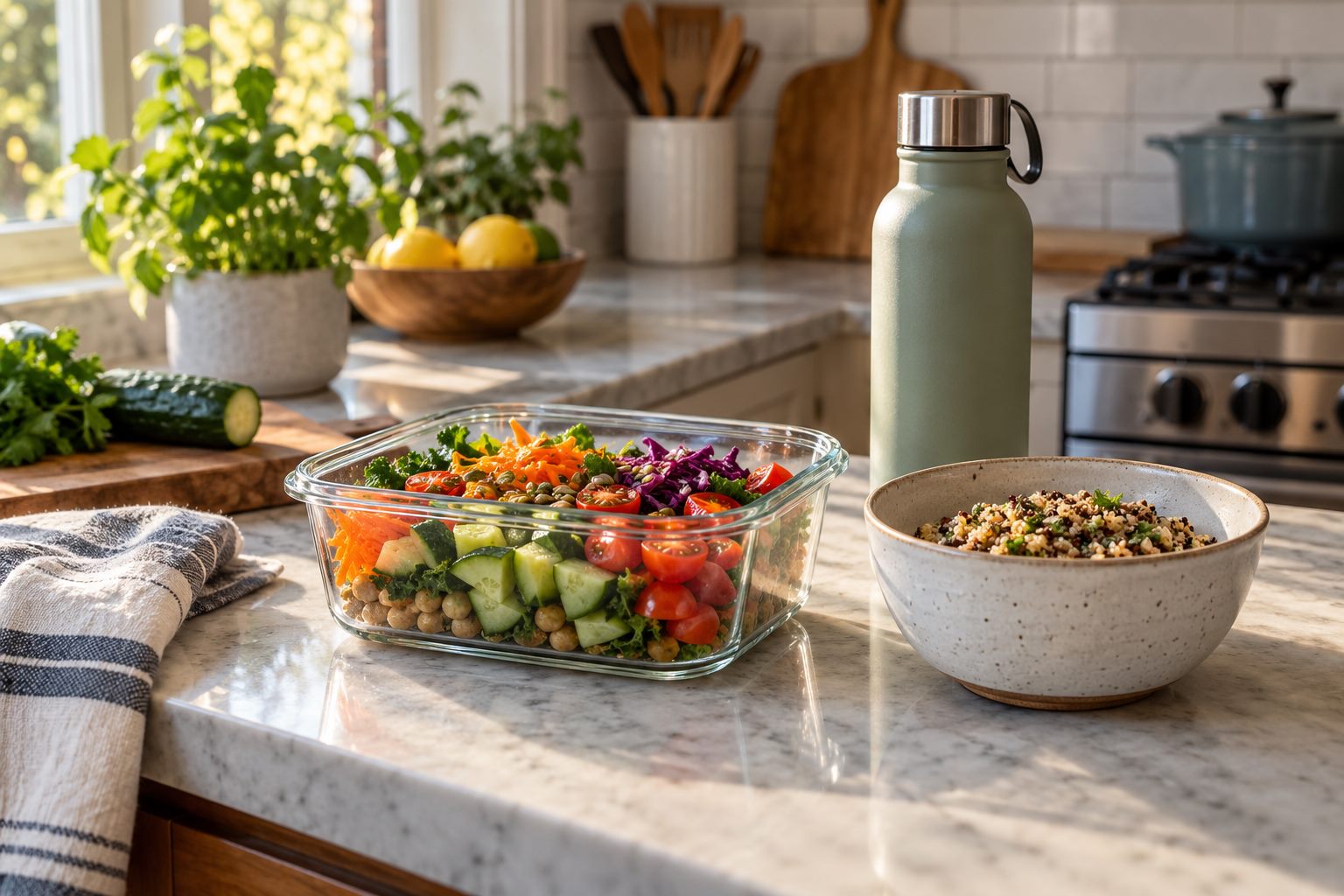
A weekly dinner plan can sound like one more project: compare recipes, shop for every ingredient, and set aside an afternoon to prep. For many households, a smaller plan is easier to use. Choose three dinners you would be happy to eat, make sure their ingredients can overlap where it makes sense, and leave the other nights open.
Start with the week you actually have
Before picking meals, glance at the calendar. Which evenings are busy? When will someone be home late? Are there nights when leftovers or a quick pantry meal will be more useful than a recipe? A plan that ignores the week tends to become a list of meals you feel behind on.
Mark the evenings when cooking needs to be especially simple. Those are good places for a meal that comes together quickly, uses leftovers, or can be assembled from familiar ingredients. On a quieter night, you might try something that takes a little longer. There is no need to assign a recipe to every day; you are just giving the week a few useful anchors.
Pick three flexible meal shapes
Instead of choosing three unrelated recipes, think in meal shapes. For example, one night could be a sheet-pan dinner, another a grain bowl, and a third a soup or pasta. The details can change with what is available and what people in your home like.
- A tray meal: pair a vegetable with a protein and a starch, using seasonings that suit your household.
- A bowl or wrap: set out a grain, beans or another filling, vegetables, and a sauce so everyone can assemble a plate.
- A flexible pot meal: use soup, pasta, or a skillet dish to bring together ingredients that need using.
These are starting points, not rules. If a household favorite already fits one of them, use it. Familiar meals often make a better plan than a collection of ambitious new recipes.
Look for overlap, not identical dinners
A little ingredient overlap can make shopping simpler. If you buy a bag of greens for one meal, decide where else you might use them. A batch of rice could support a bowl one night and a quick side another day. But there is no need to eat the same meal repeatedly just to use every ingredient.
Check what is already in the fridge, freezer, and pantry before writing a shopping list. Add only the pieces that make the three meals possible, plus a few dependable basics for the open nights. If a recipe calls for a special ingredient you are unlikely to use again, consider a familiar substitute or choose another meal.
Keep one or two nights deliberately open
Plans change. A meeting runs late, a friend visits, or the day simply does not go as expected. Leaving open nights makes the plan more forgiving. They can become leftover nights, a simple sandwich supper, a meal from the freezer, or dinner out when that fits the budget and schedule.
It helps to keep a short list of easy options on the fridge or in your notes app. Include meals your household already knows how to make and ingredients you usually have. This is not a backup plan that needs constant restocking; it is a reminder that dinner does not have to begin with a recipe search.
Use a short shopping check
Once the three meals are chosen, write down the ingredients that are missing. Group the list by the way you shop or by the sections of your usual store. Check quantities before adding something, especially if the ingredient is already open. If the plan includes produce, think briefly about which meal will use it first and whether it needs to be stored or prepared differently.
You can do a small amount of preparation if it makes the week easier: wash produce, cook a grain, or move something from the freezer to the refrigerator at the right time. Keep this optional. A plan that only works after a long Sunday prep session may not fit every week.
Review what worked, then repeat the useful parts
At the end of the week, notice which dinner was easiest to make and what ingredients were left over. Keep a note of meals that suited a busy evening. Replace the ones that were awkward to shop for or did not suit your household. Over time, you will have a small collection of reliable combinations to draw from.
A practical dinner plan is allowed to change midweek. Three ideas, a focused shopping list, and a couple of open evenings can provide enough structure without deciding every meal in advance. Start with the week in front of you, use what you have, and let the plan do only as much work as you need.
Leave a Reply